Often, with TCEF, where we help is guided and shaped by amazing partners that we cross paths with. The roots of the Nepal sponsorships can be firmly traced to past connections in Clement Town, N India.
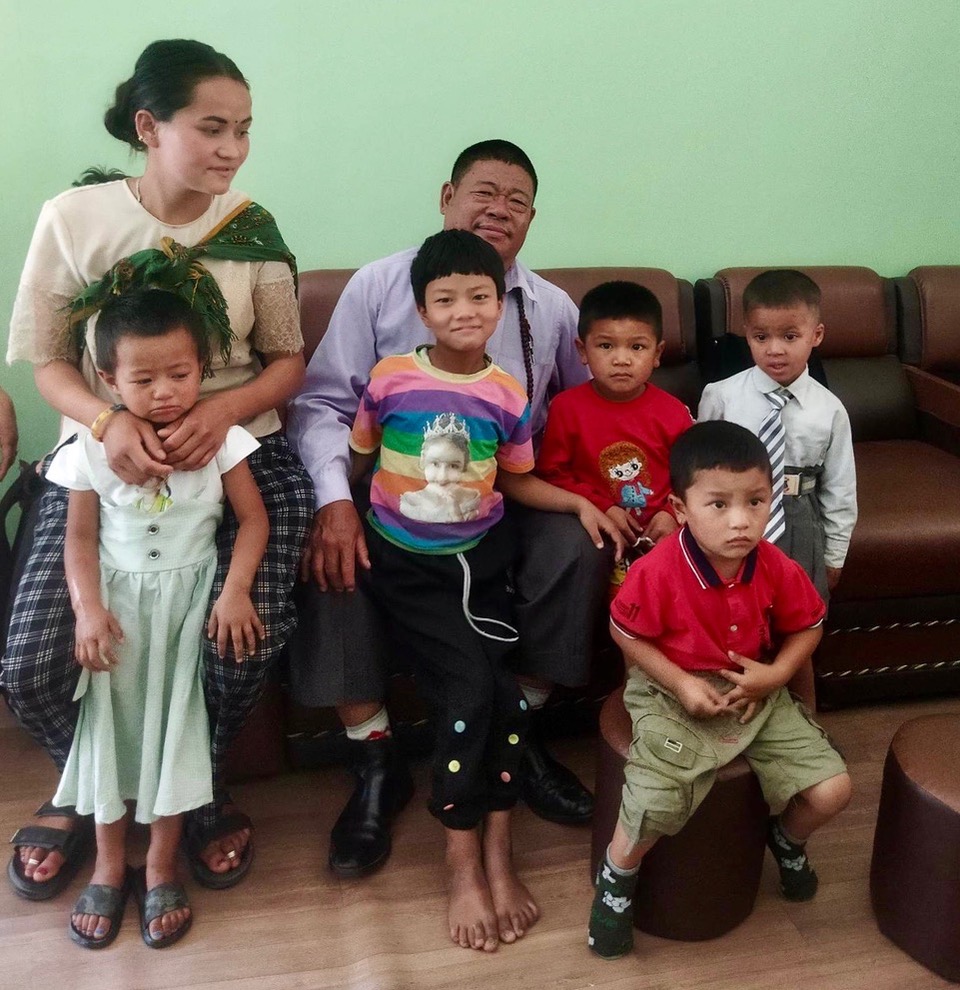
Our Nepal sponsorships began through a special connection with a remarkable person, Bhime Sherpa. He overcame significant challenges in life, found a way to provide his children with an excellent education, and then reached out to TCEF to help educate children from very humble backgrounds in Nepal’s tribal belts. Bhime’s own children, all of whom are now successful, attended Kyitsel-ling and were on TCEF sponsorships.
TCEF is equally indebted to board member B Alan Davis and his wife, Karen Cooper, for visiting the tribal areas and ascertaining needs firsthand. Both Alan and Karen were convinced of the stark needs, stepped forward to sponsor two children, and encouraged TCEF to help.
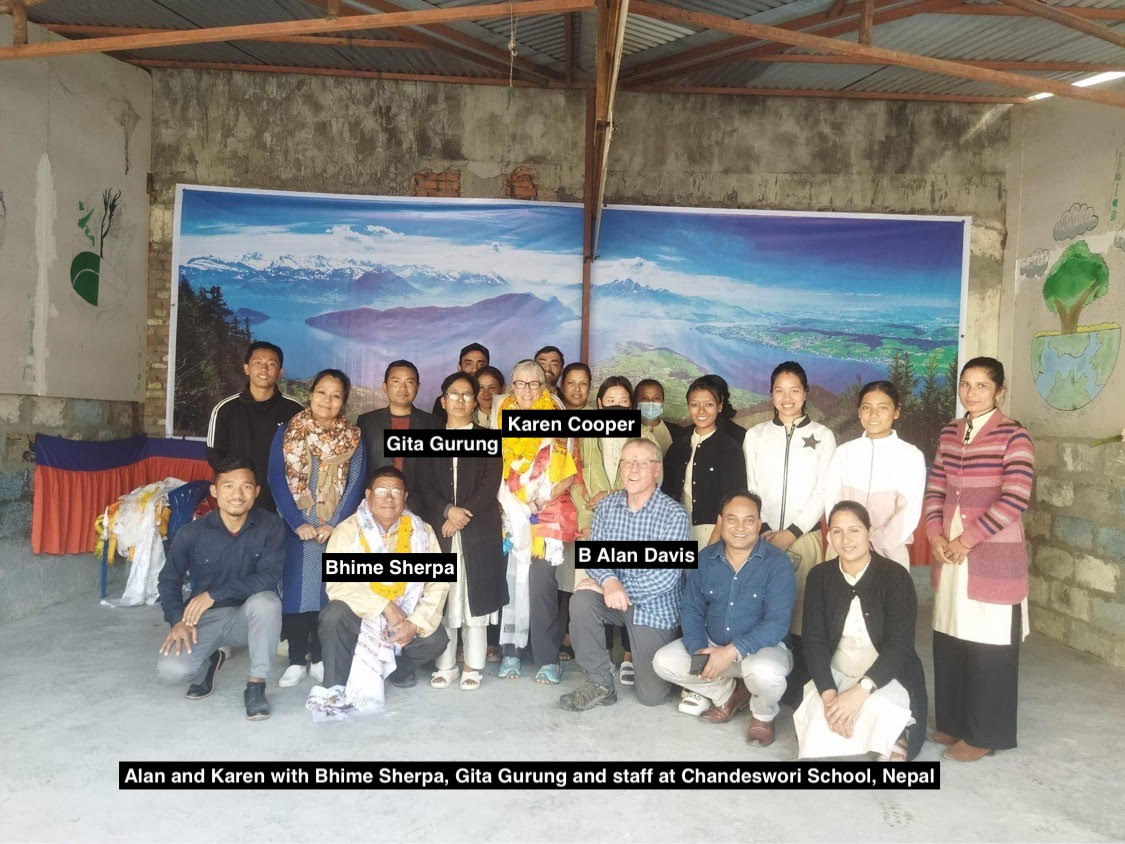
Our work in that area would also not be possible without Principal Gita Gurung at the Chandeswori English Medium School at Baharbise, Nepal. Principal Gita Gurung not only agreed to admit our sponsored children (often from broken, humble homes with no schooling before), but also offered generous concessions, making education possible at current TCEF sponsorship rates.
We began this program by sponsoring five really needy children for whom Bhime Sherpa requested help.
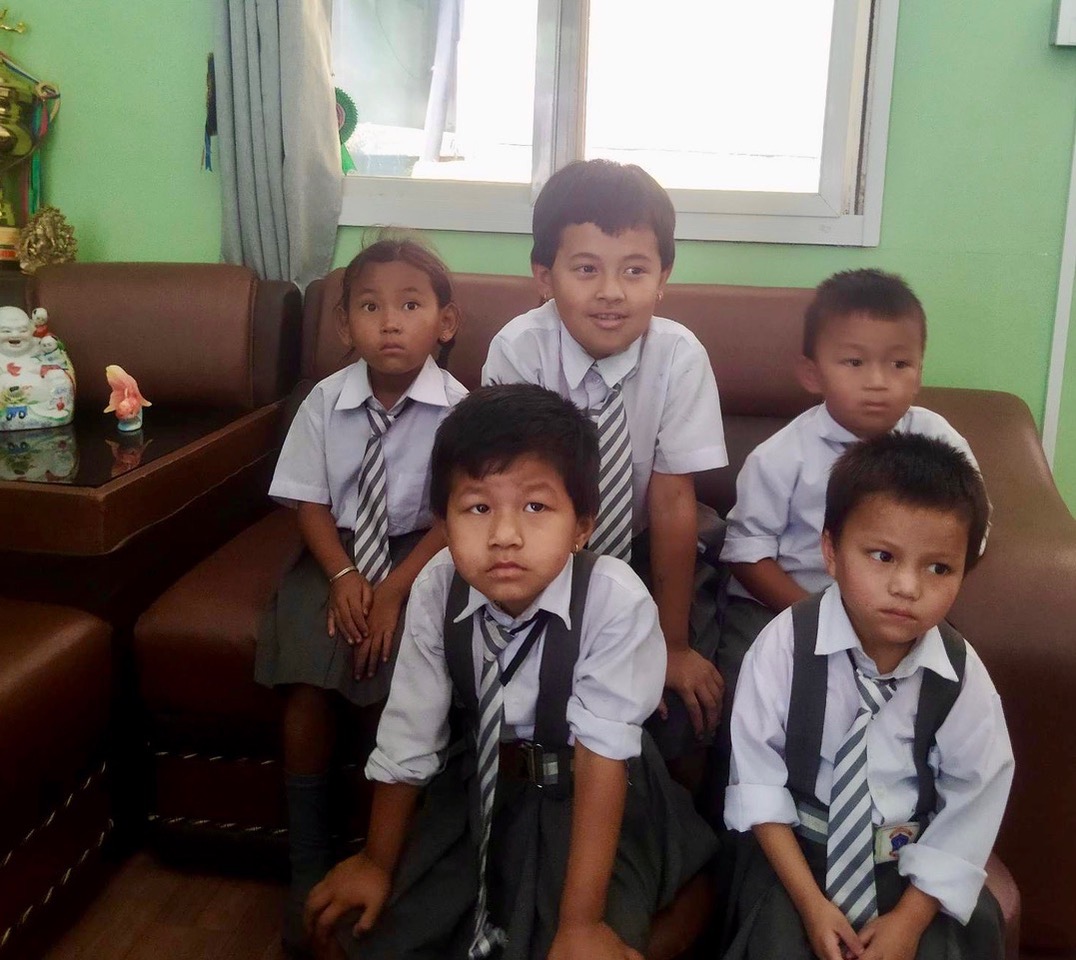
A special thank you to everyone who sponsors children through our fledgling Nepal sponsorship program. As already mentioned, the children come from extremely humble and even traumatized homes. It is really gratifying to see them in smart school uniforms, attending school. Most of them are just beginning their education journey, and I’m not sure how far we can follow their lives. But we truly believe that whatever education they receive will change their lives forever.
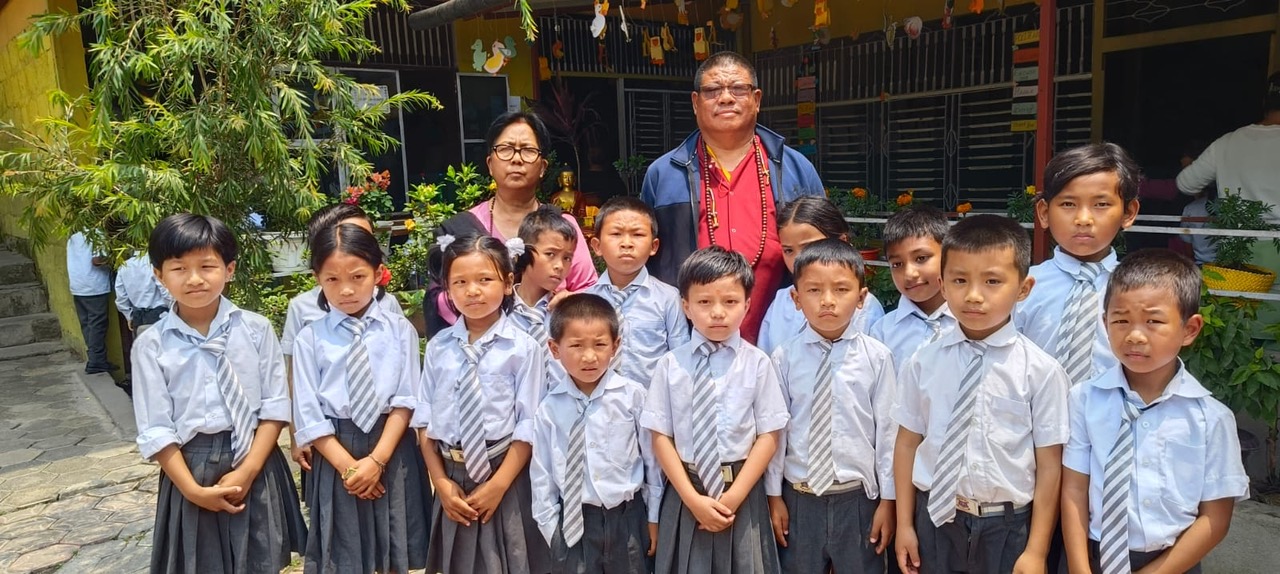
Our best hope is to slowly expand this program in the years ahead.