March 21-26th, 2026
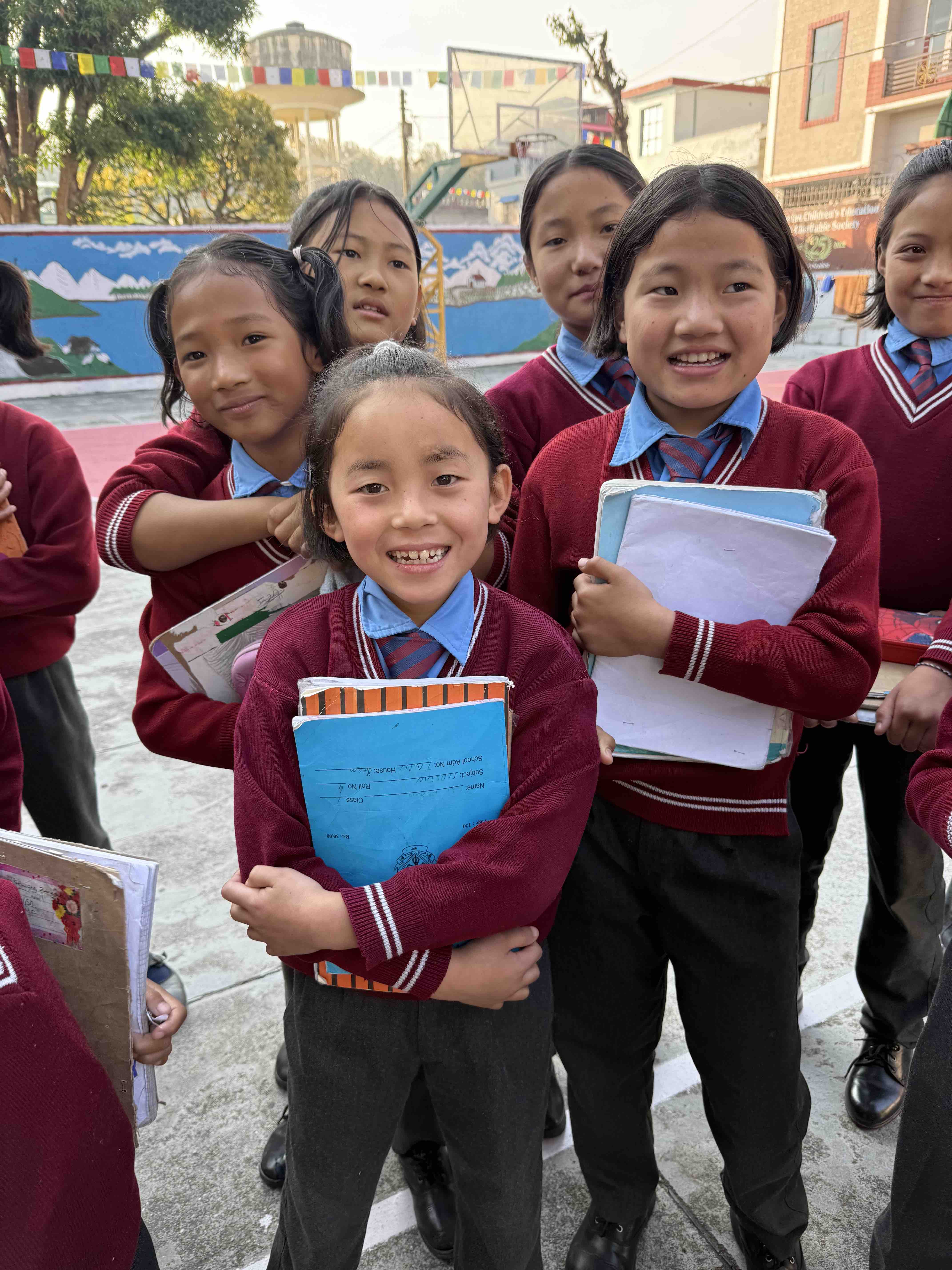
The tears were swelling in my eyes as I said my goodbyes. From the moment I stepped onto the campus, I was met with a kind of warmth that is hard to put into words – genuine, open, and immediate. The children gathered around me right away, curious and joyful, asking thoughtful questions and inviting me into their world. It didn’t take long before I was playing alongside them: badminton, jump rope, even lively rounds of Bananagrams, where what stood out most wasn’t competition, but collaboration. Everyone was rooting for one another.
My visit unfolded into three meaningful parts: time spent living alongside the students at the Kyitsel-ling, a stop at the nearby elderly home, and time spent in conversation with the teachers at the school. Each offered its own insights, but together they painted a powerful picture of a community rooted in care.
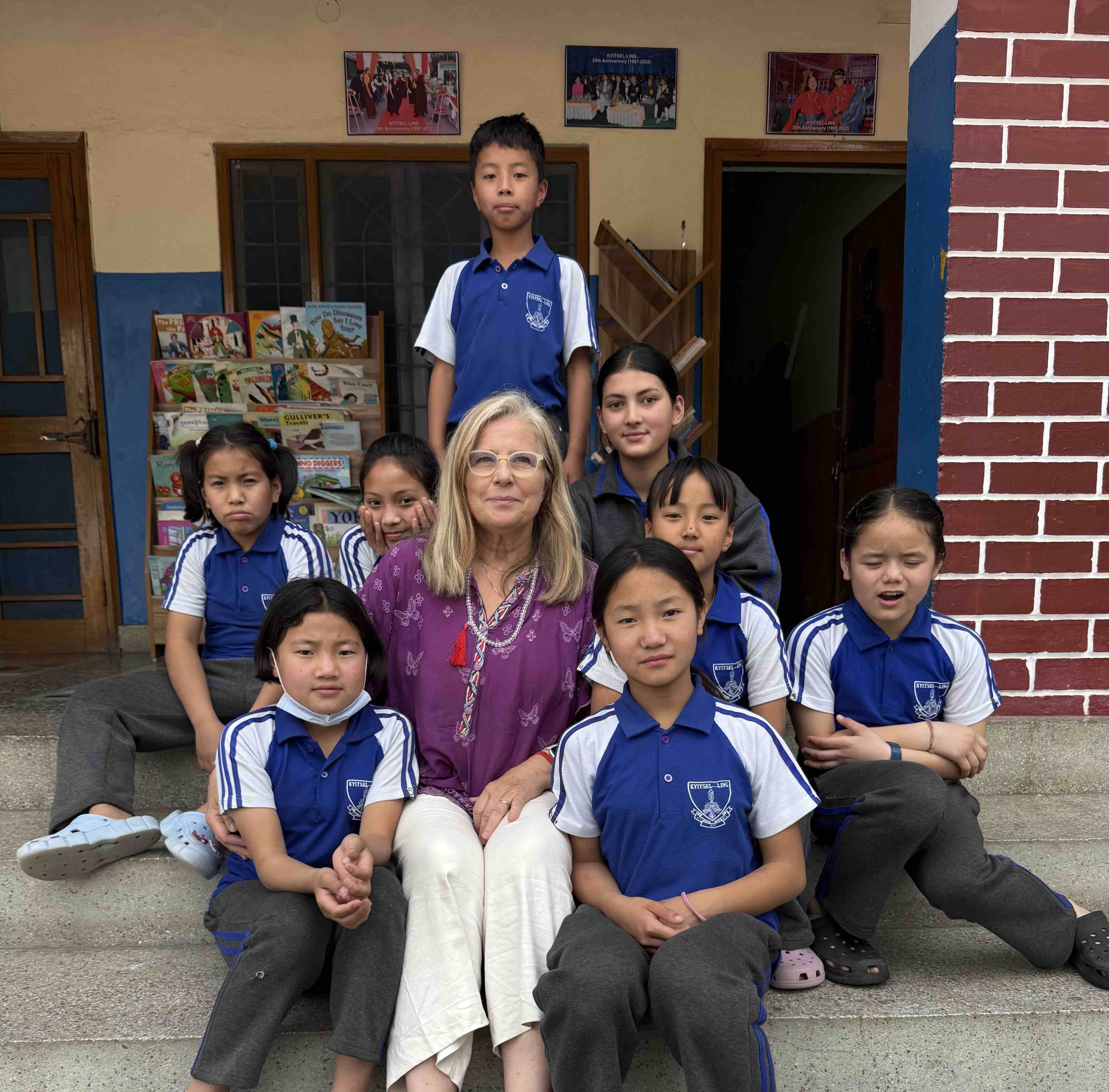
At Kyitsel-ling, what I witnessed again and again was a deep sense of shared responsibility and compassion. When it came to chore time, there was no need for reminders; each child simply stepped in and contributed to the whole. I was struck by the quiet diligence: a first grader carefully washing dishes, students patiently waiting their turn for laundry, older children naturally guiding and caring for the younger ones. There was kindness in every interaction, inclusivity in every activity. Each child mattered, and each one knew it.
Meals, too, reflected this culture. The food was nourishing and delicious, and the children received it with gratitude, eating what was served with many returning for seconds. There was a rhythm to daily life that felt both grounded and joyful.
There are so many memories that now live in my heart. The steady cadence of a well-structured day, shaped by the rhythmic sounds of morning and evening prayers; the bounce of a basketball interwoven with joyful laughter and cheering; the quiet of reading time, gently interrupted by the careful pronunciation of an as-yet unfamiliar English word, or lively conversations with visiting former residents. Each moment felt both simple, yet deeply resonant.
One of my more memorable moments came during a walk with upper-class student guides. They led me to nearby monasteries, eagerly answering my many questions about Tibetan symbolism, rituals, and daily practices. Along the way, our conversations turned to their own lives; their hopes, uncertainties, and dreams for the future. In those moments, I caught a glimpse of what it means to grow up here: to hold both responsibility and possibility with a quiet kind of grace.
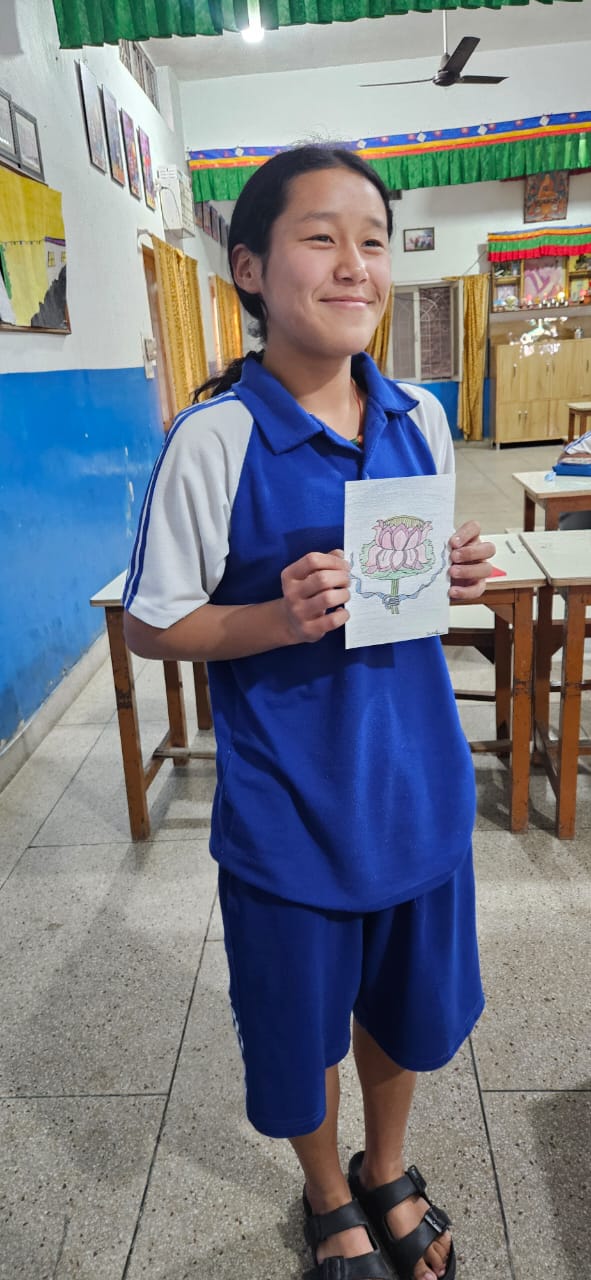
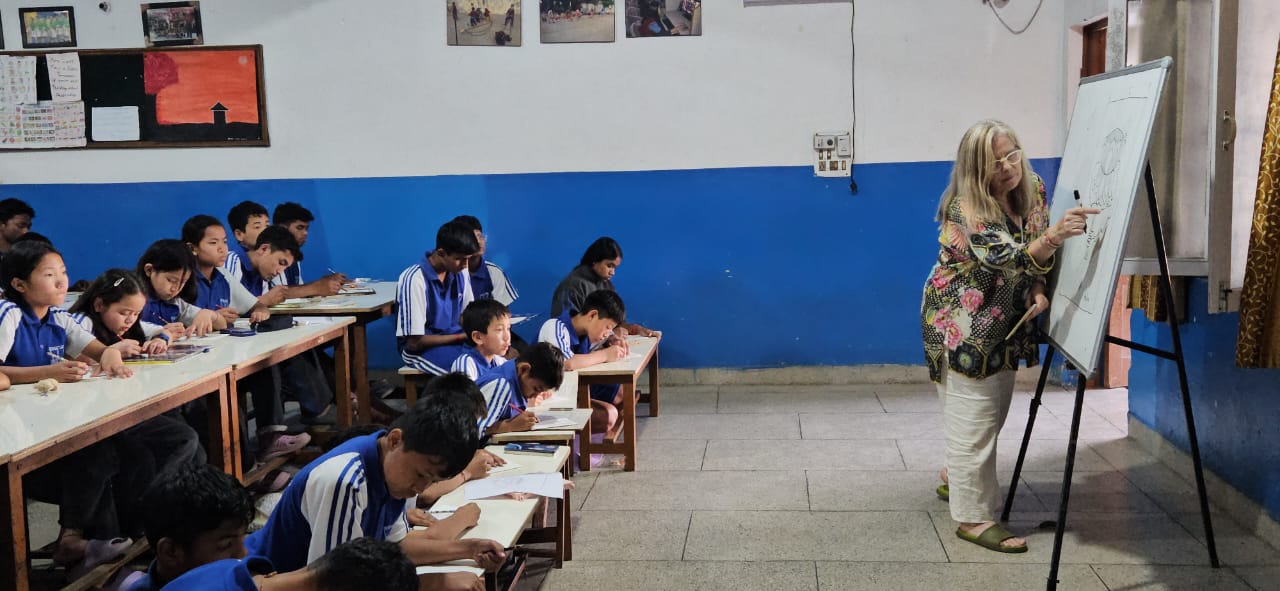
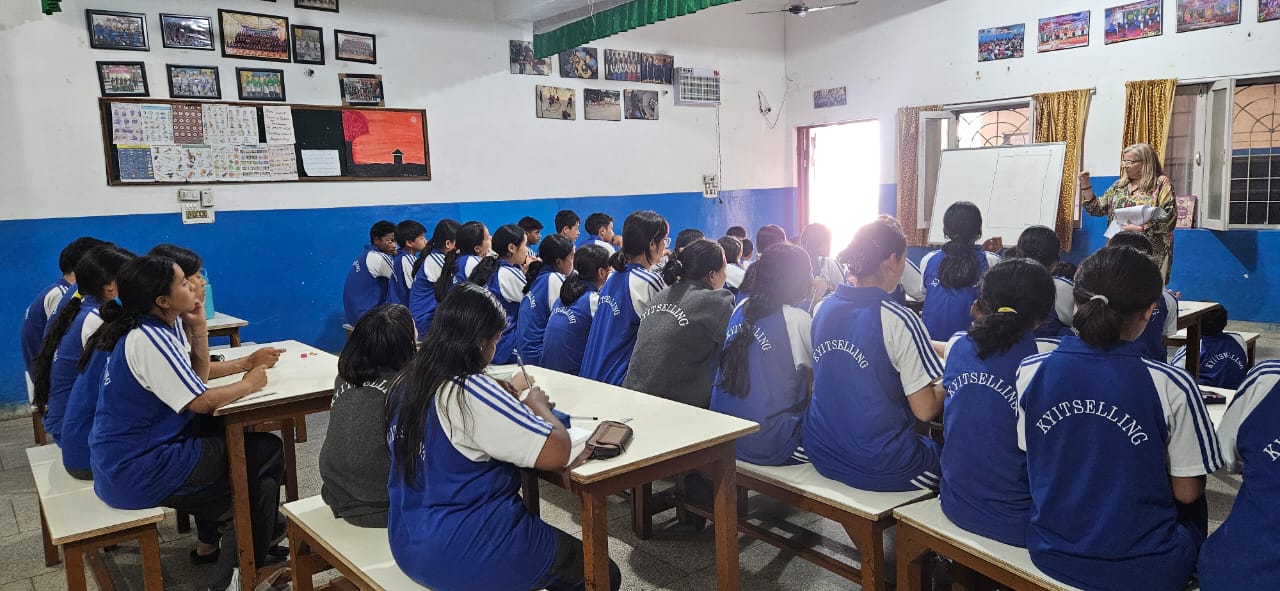
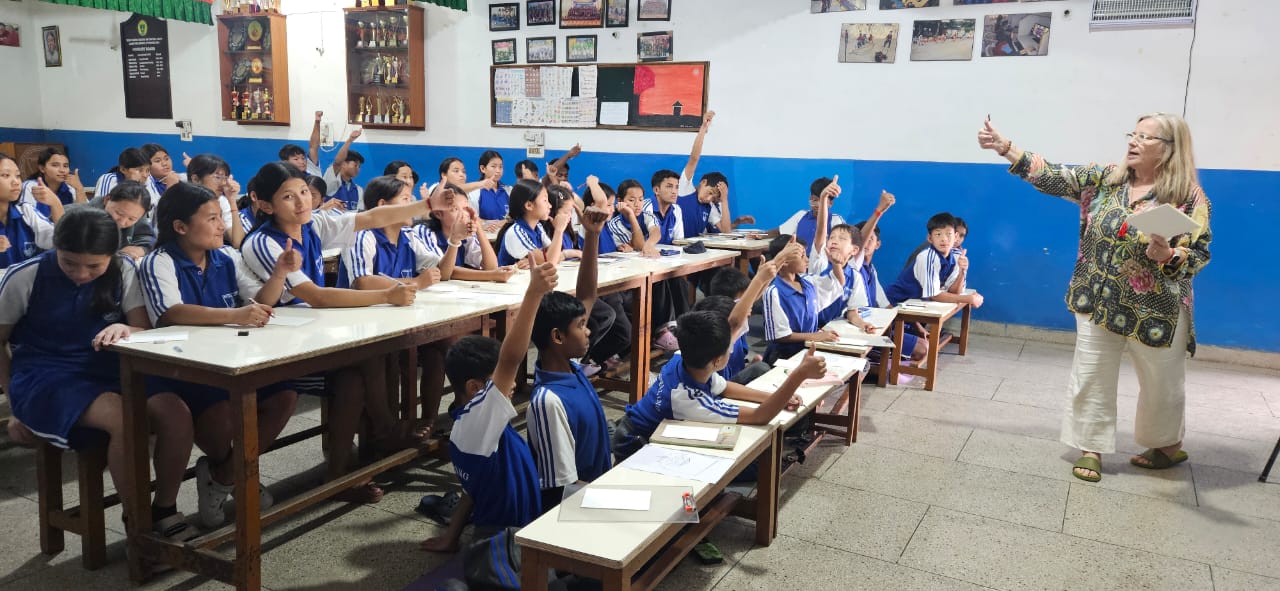
I also had the joy of sharing parts of myself – my love for nature, and for learning through artistic expression. An injured kite in the cook’s care became the perfect entry point for nature journaling and observation. Together, we explored what makes this bird so uniquely adapted (and yes, it’s not a hawk!). In other sessions, learning about the Tibetan stupa and the symbolism of the lotus, one of the auspicious symbols in Tibetan Buddhism, created a space for mutual learning.
What makes this place truly special, though, is the way it is held by its people. As a guest, I was thoughtfully cared for, by Prakash, my gracious host, making sure I was comfortable and well-nourished with delicious meals, and that each day began with a heartwarming cup of chai. The director Tsering Phuntsok and his incredible staff have created something far beyond an educational hostel. It is, in every sense, a family. Their care for the children is unmistakable, present in every interaction, every gesture, every decision made with the children’s well-being at heart. It is no wonder the students carry themselves with such kindness, responsibility, and ease. They are living what many schools can only hope to teach.
A short walk from the hostel, the elderly home offered its own quiet tenderness. The care and love the staff held for their residents was immediately apparent, a reflection of the same warmth I had witnessed with the children. On my evening walks, I would exchange smiles and warm hugs with residents I encountered along the streets or at the monastery, malas in hand. Their gentle presence throughout the community left a lasting impression, a reminder that this community’s spirit of compassion extended across every generation.
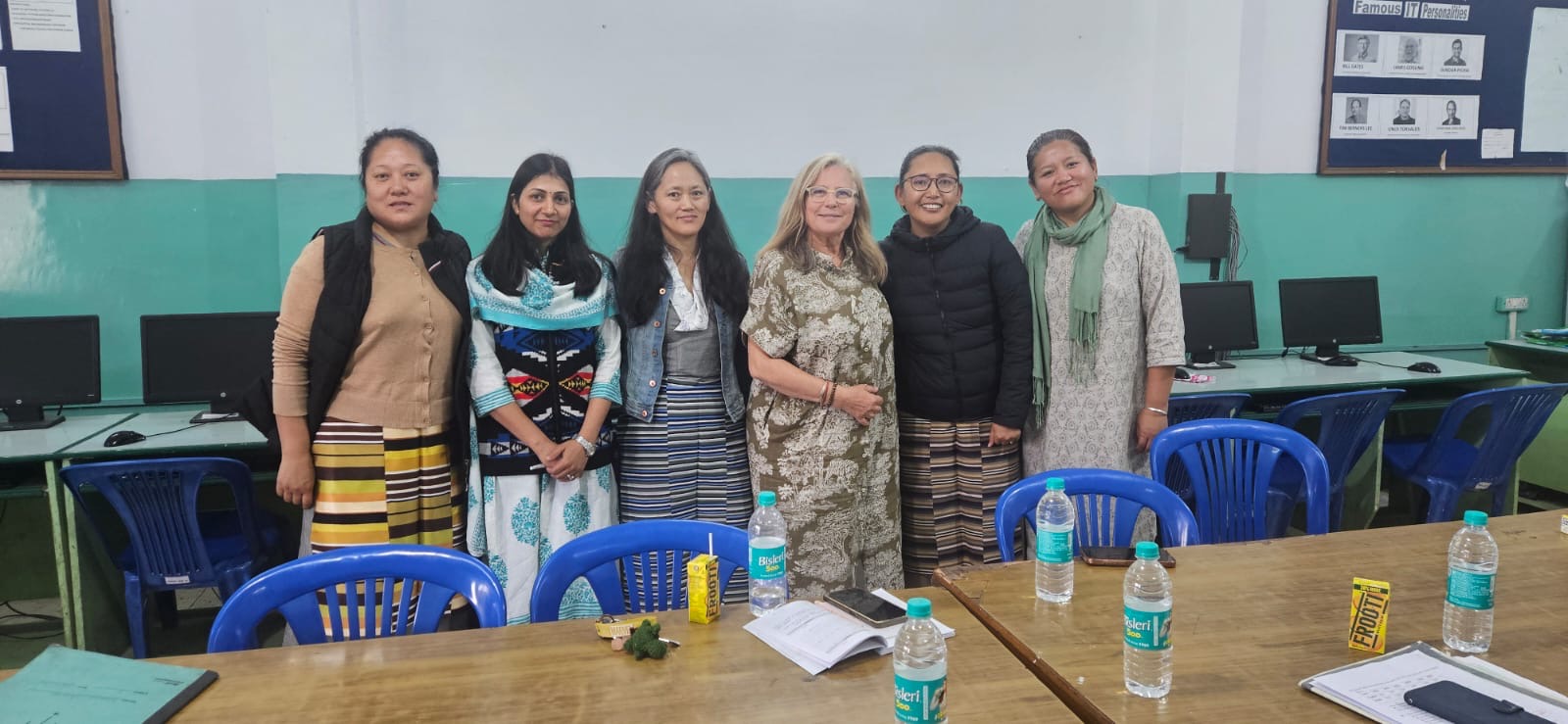
The third part of my visit brought me into conversation with the maths and English teachers. Their dedication was immediately clear, as was their deep care for their students and their genuine desire to continue growing in their craft. Our exchanges were rich and thoughtful. We spoke about ways to engage students so they feel both supported and challenged, how to encourage them to step beyond their comfort zones while still preserving the joy of learning. We explored cultural differences and shared ideas for creating authentic ways to assess student growth.
One detail that stayed with me was the presence of inspirational quotes on many walls, with similar messages I would place in my own classroom, meant to guide and uplift. But here, something felt different. These weren’t just words to aspire to; they were qualities the students were already embodying, echoing the Dalai Lama’s teachings in lived, tangible ways.
I left feeling deeply moved and profoundly grateful. What I experienced was not just a visit, but an immersion into a community where resilience, kindness, curiosity, and care are not separate ideals, but daily practices. A place where children are not only learning, they are becoming, together.